





Product availability transparently explained
Not every item is fully available at all times. What matters is recognising deviations early, communicating them clearly and checking possible alternatives.
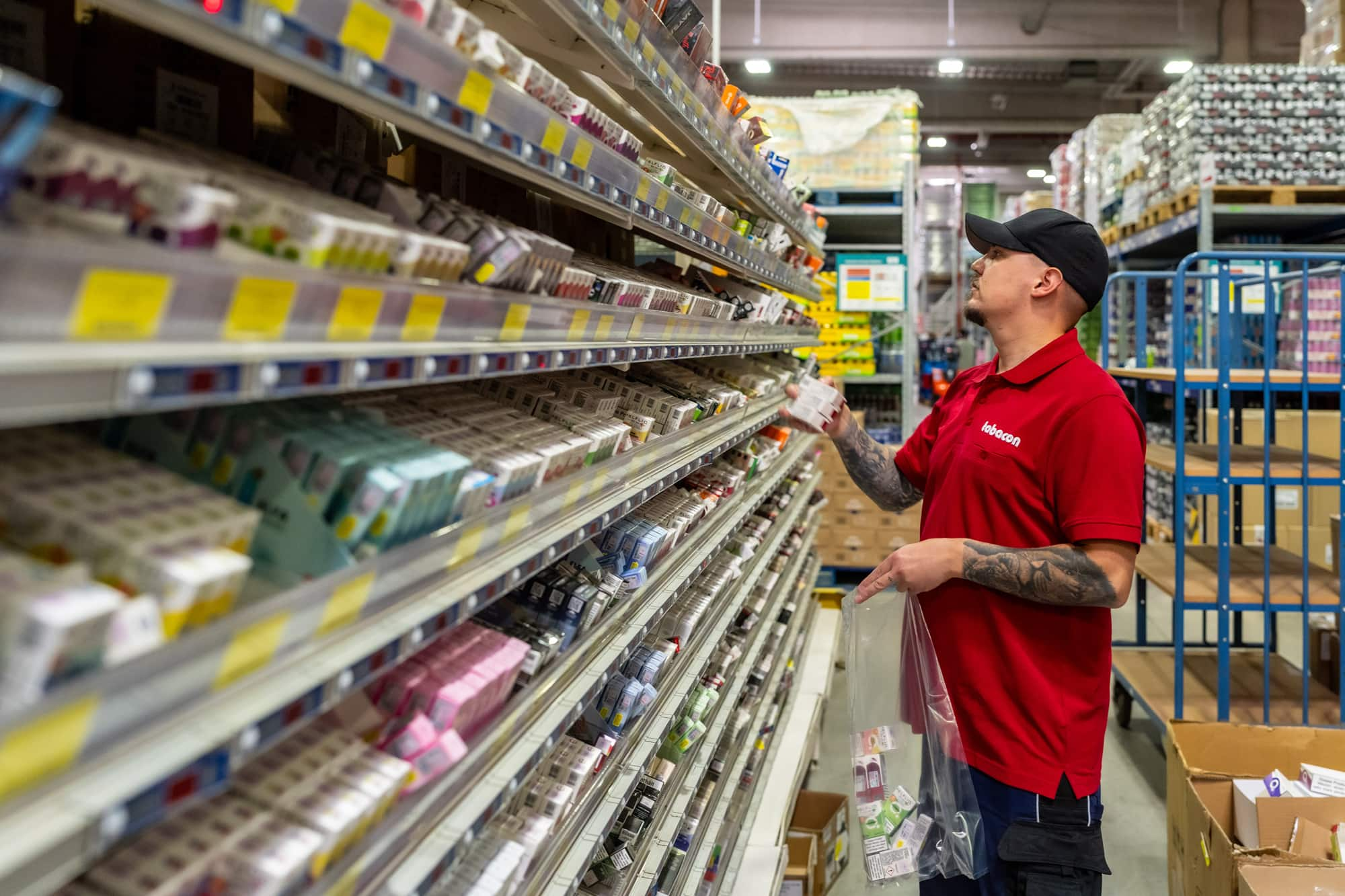
What can influence availability
Manufacturers' delivery capability and production planning
How much of an item is available is decided at the manufacturer. Production cycles, changes at the plant or shortages of input materials affect the entire trade – regardless of how early an order was placed.
Short-term demand for individual items
Individual items can be in high demand within a few days, for example after advertising, a recommendation or a local event. Such spikes can hardly be planned in advance and affect all buyers at the same time.
Product changes, new products or delistings
When recipes, packaging or entire ranges change, old and new items rarely overlap seamlessly. During the transition period an item may be temporarily unavailable or only available in remaining quantities.
Seasonal peaks, especially for beverages
Heat waves, public holidays and events shift demand significantly at short notice. Especially for beverages, demand in such phases considerably exceeds the usual quantities.
Time of order and assignment to the route
Every order is assigned to a route. If it arrives after the cut-off for the next route, delivery moves to the following date – even if the goods are available in the warehouse.
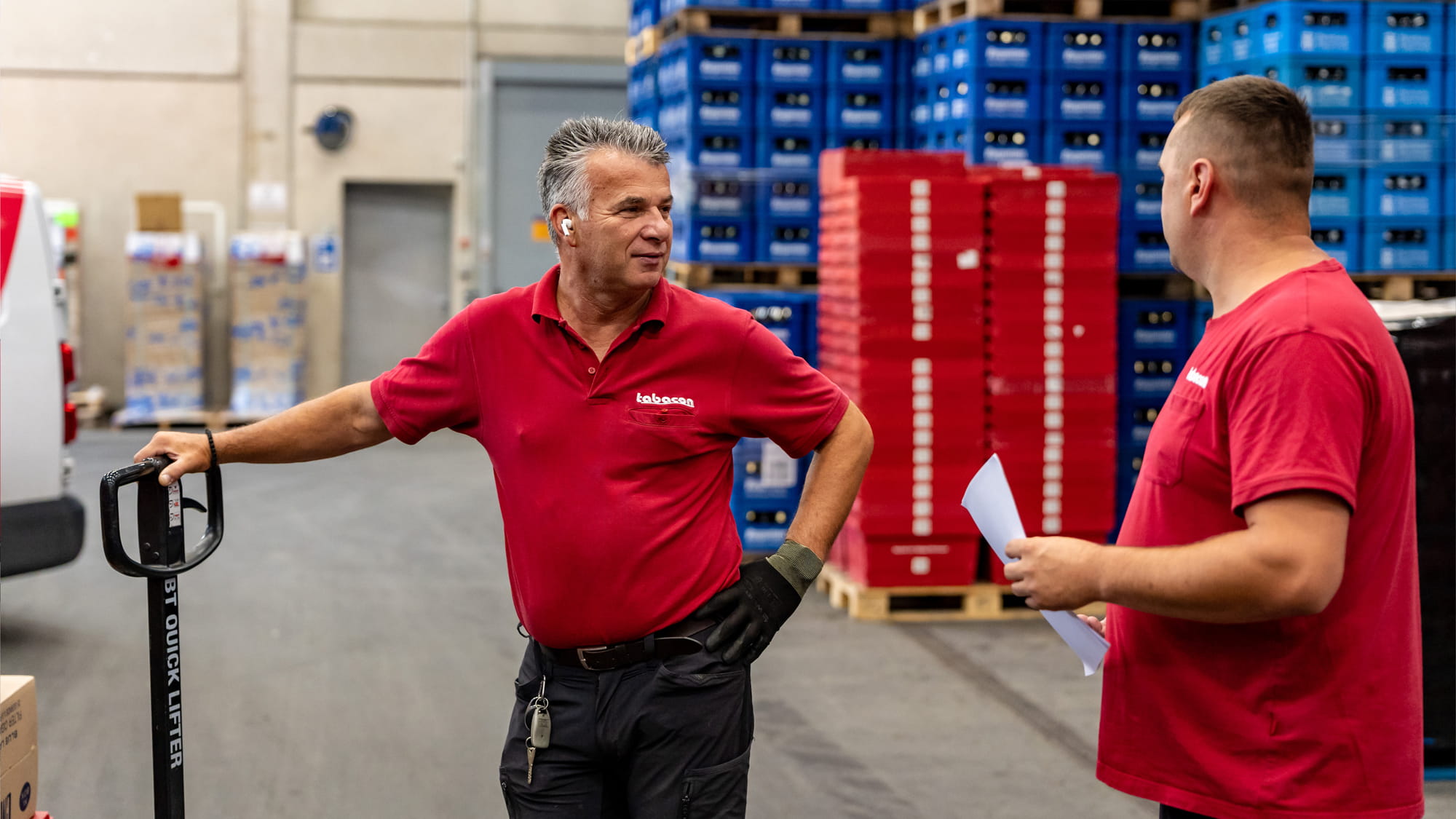
How we deal with deviations
Our team checks current stock and – where possible – a new delivery date or a suitable alternative. The specific solution depends on the item, the manufacturer and the agreed delivery process.
Early coordination helps
Announce plannable extra demand, promotions, events or seasonal peaks as early as possible. This increases the chance of scheduling quantities and routes in time.
Have a question about an order?
Have your customer number and order details ready. This helps your contact person classify the matter faster.